
When you’re building out positioning and messaging, do you look at what your competitors are saying and how they present their solutions?
If not, you may be designing an argument that won’t work on real-world buyers building a shortlist (because they’ll be looking at other options).
In this post, I’m taking you behind the scenes of my process for looking at competitor websites to build better research questions and find conversion opportunities that go beyond best practices, using Acclaim AI website as an example.
This is an outsider-looking-in view for a company I haven’t worked with, so all mistakes are mine :)
5-second website snapshot
Acclaim AI is building a voice-based AI CS solution for regulated industries. Based on the website copy, Acclaim seems to be in the expansion phase, adding new target industries to their website.
Given that regulated industries are likely to be more conservative about AI implementation (as seen in the Acclaim’s own report), selling AI solutions to them seems like an interesting challenge to have. On the other hand, they’re also less likely to go the DIY route since there’s more at stake if you get it wrong.
Here’s a list of initial thoughts after going through the website as a first-time visitor:
Top nav menu: confusing overlap between use cases and industries — worth breaking up?
Clarity around Acclaim capabilities — voice-first, and also supporting text — not clear until FAQs
Dedicated platform page instead of linking to the homepage
Pricing page — missed opportunity?
Dedicated demo page vs Contact (plus stronger setup with social proof and stronger reasons to reach out to the sales team)
But what, if anything, are more specific opportunities — once Acclaim’s website is viewed within the context of other solutions?
In a regular project, the next steps would happen before doing internal deep-dive interviews and reviewing analytics — so that I can build out themes to explore and a list of questions for the internal teams.
Gathering additional context: competitors and their websites
It would be nice if we operated in a world where prospects remain blissfully unaware of all alternative solutions and just know they need our product. Too bad it’s not the case.
So my first step is to understand the likely competitive landscape (in a real project that’s something I’d be asking the sales team about as well to see which competitors are actually relevant).
Is this the right category?
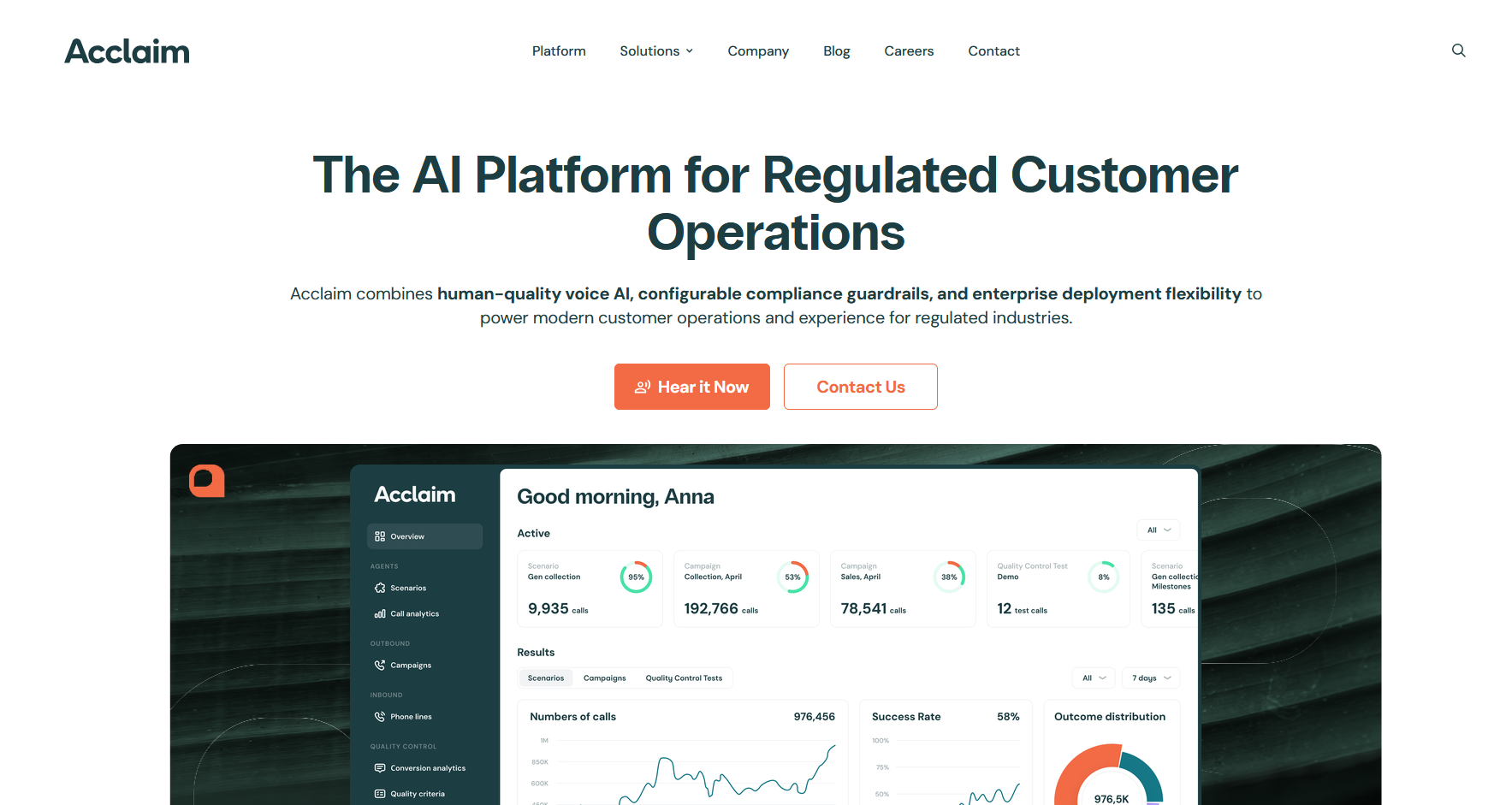
Acclaim homepage, retrieved 11/16/2026
My biggest question after reading the headline is whether or not “Platform for Regulated Customers Operations” is actually helpful for defining the category and the viable competitors.
Given that the results don’t include just CX tools, I’d want to look into the data on how visitors find the website and what exactly they are searching for.
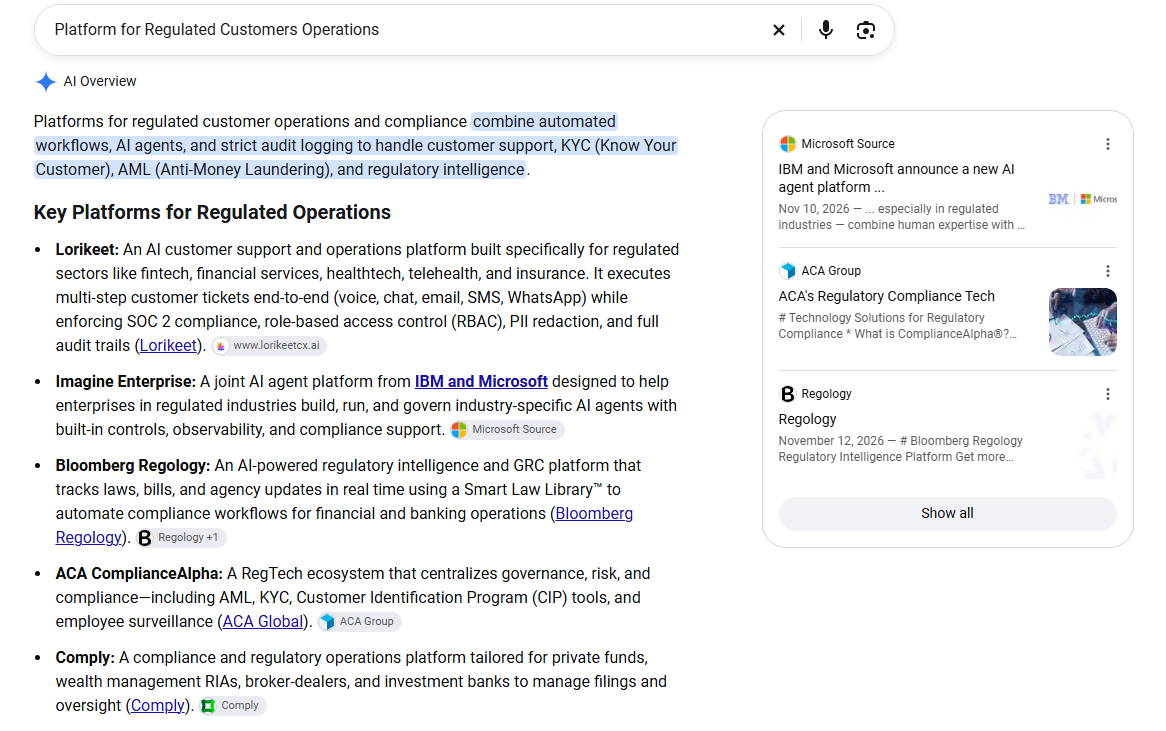
“Platform for regulated customers operations” is broad enough to include solutions that aren’t aligned with what Acclaim does.
So I’m going to look up alternatives and see if I might be able to find more likely competitors.
Turns out, “CX AI platform” or “conversational AI platform” bring up some slightly more likely alternative solutions (especially under sponsored results).
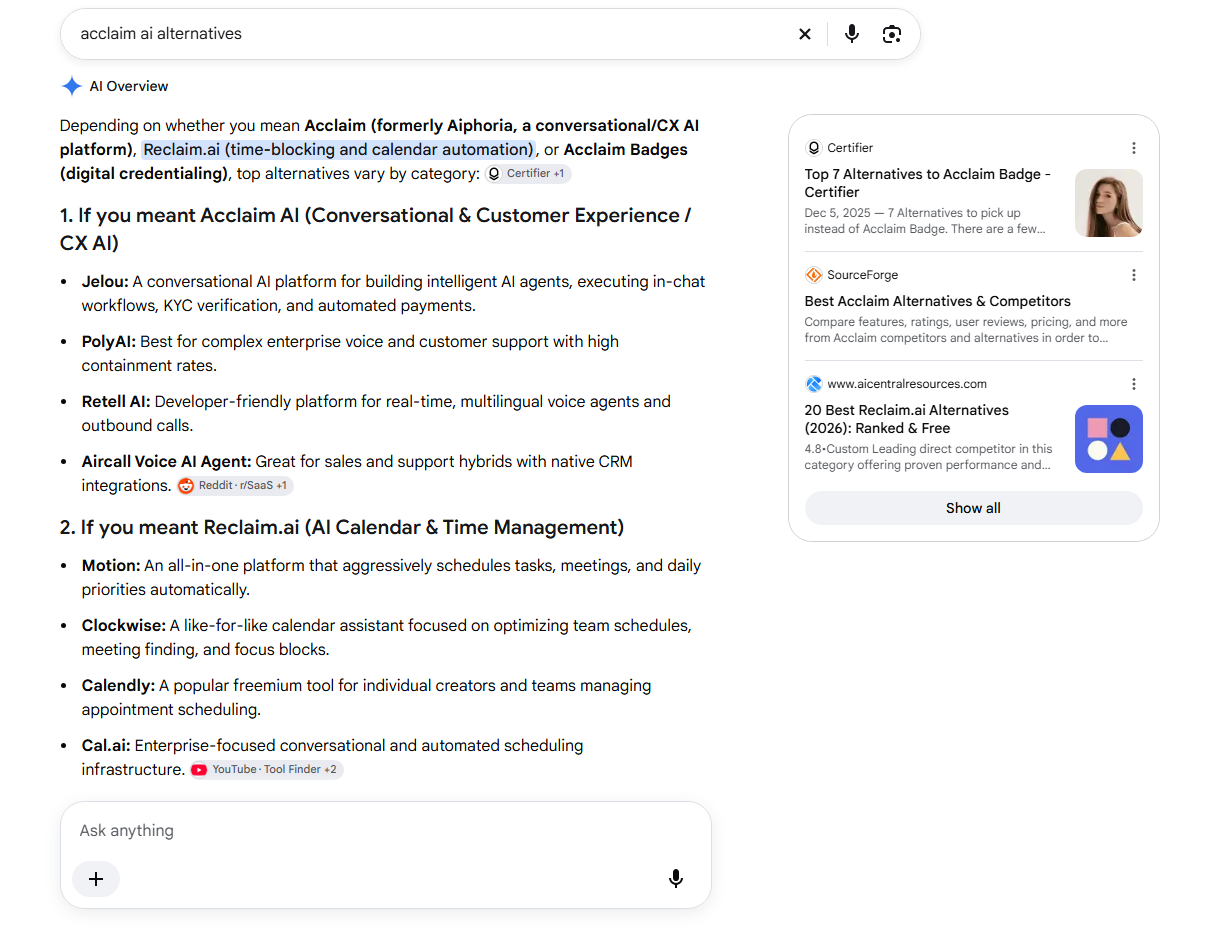
No, I don’t mean “Reclaim,” I mean “Acclaim.”
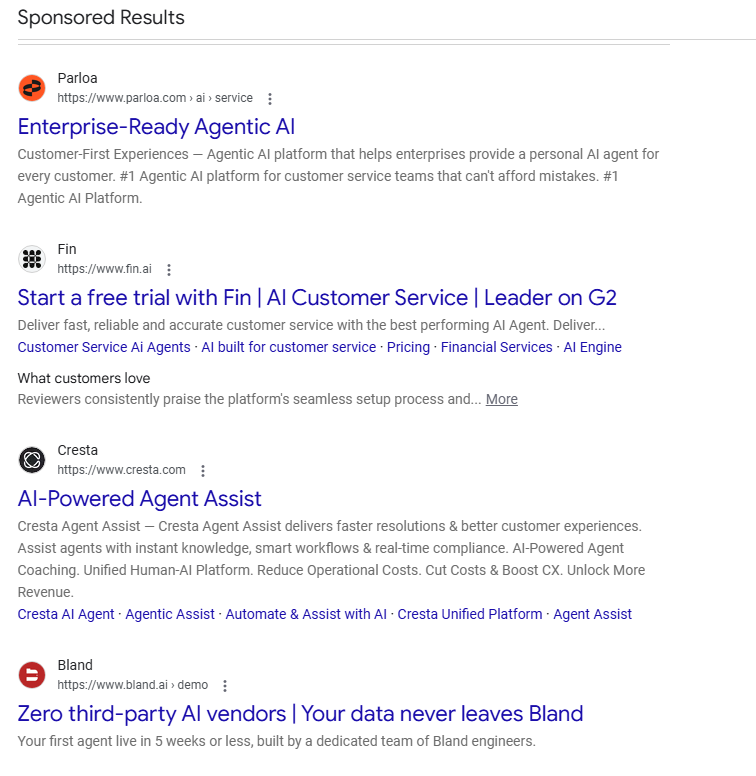
Now we’re getting somewhere!
Does the homepage hero positioning still stand after looking at competitors’ websites?
“The AI platform” in hero headline implies that this is the most appropriate solution for the category, loosely defined as “CX / conversational AI for regulated industries.” It doesn’t have to be the leading solution in terms of the number of clients and/or impressive logos, but it does need to prove that it’s a better solution for regulated industries.
So my next step would be to check out both competitors’ websites (AI recommended and the sponsored results) and their reviews to see if the Acclaim positioning as stated in the hero section homepage still holds.
I’m going to assume that the target audience is looking for a solution that can prove compliance and will be able to meet the baseline compliance regulations.
Which means I’ll be dropping Aircall (which only has patients mentioned as an afterthought on the voice agent page and provides HIPAA support by request)
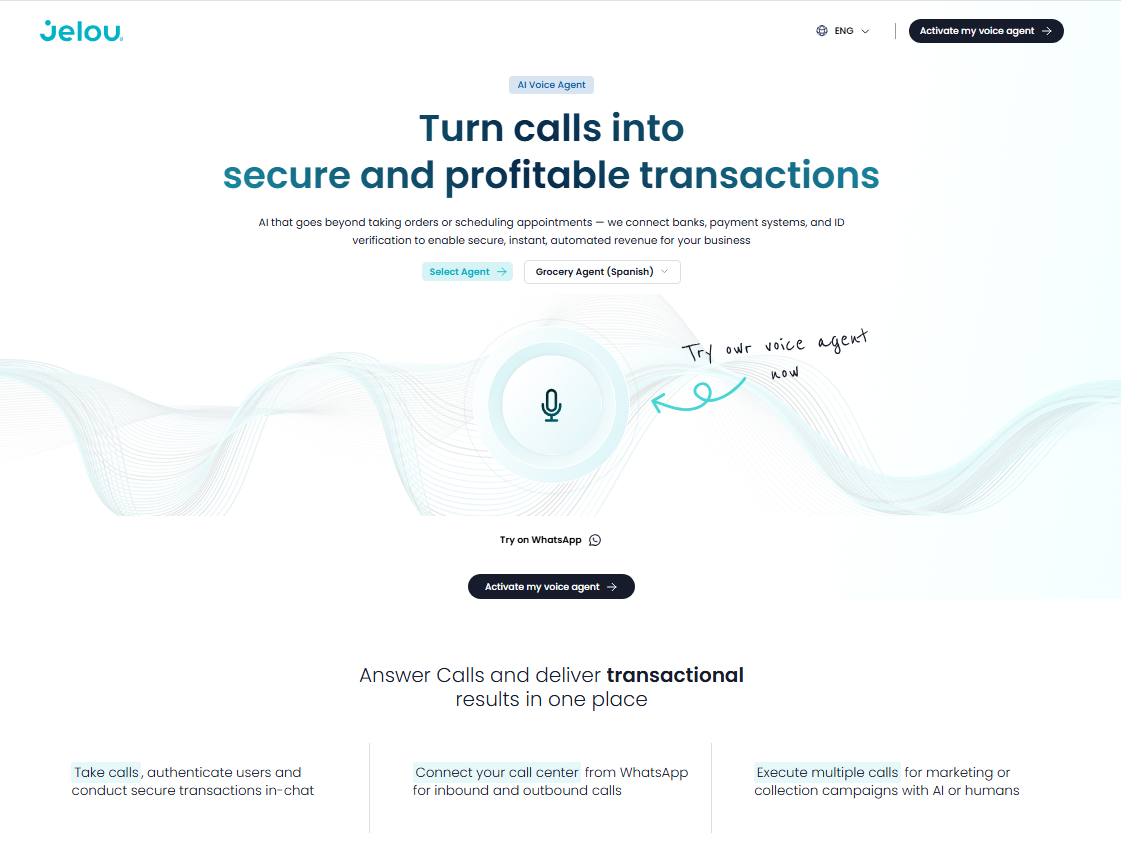
Jelou: partial overlap, vague copy
The AI voice capabilities don’t seem to be the primary focus — and the page is frustratingly vague on use cases beyond “marketing” and “collections.” Seems to be built around WhatsApp as the primary channel.
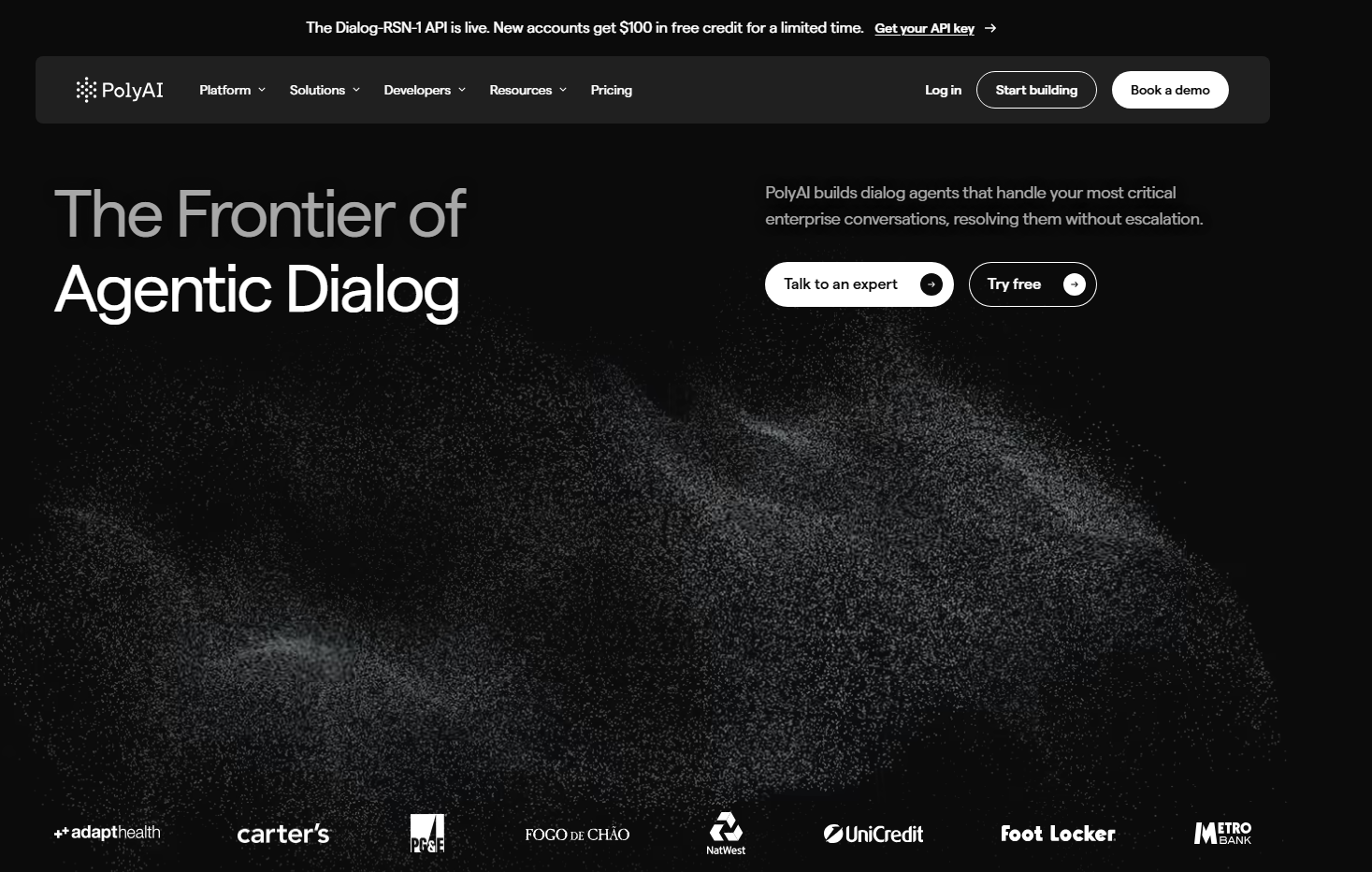
Poly AI: use case overlap, vague on compliance beyond baseline
Some of the applications overlap and there are strong case studies overall. However, the compliance section is only listing baseline security certification like SOC-2 (and for some reason HIPAA). And, the featured relevant case study is for a limited voice AI implementation.
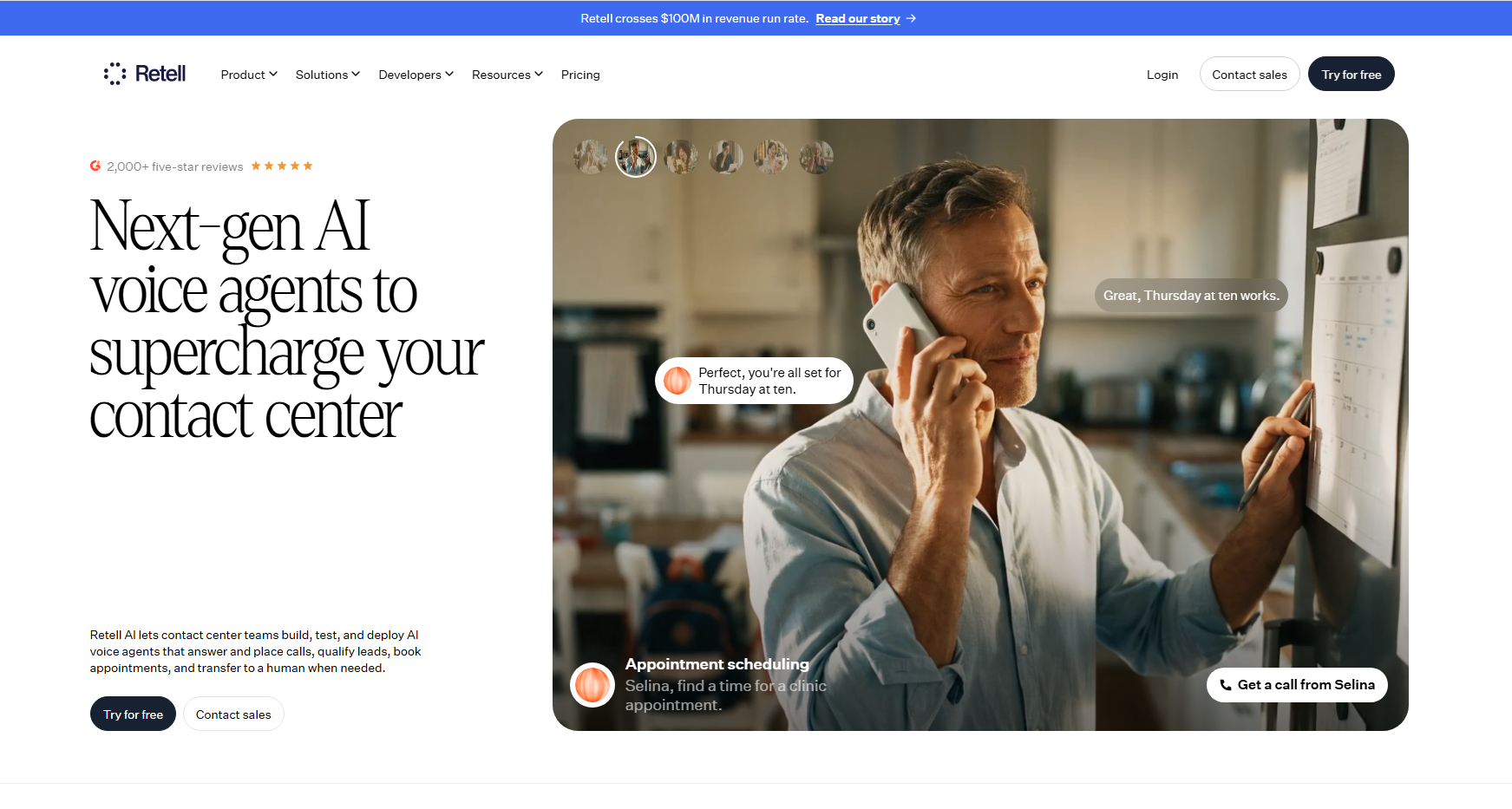
Retell AI: partial industry overlap, limited use cases
Retell seems to be building a strong case for conversational agents that can handle some of the same use cases, but information on compliance, while more detailed, is still vague on the deployment options (even though it mentions encoding and PII masking)
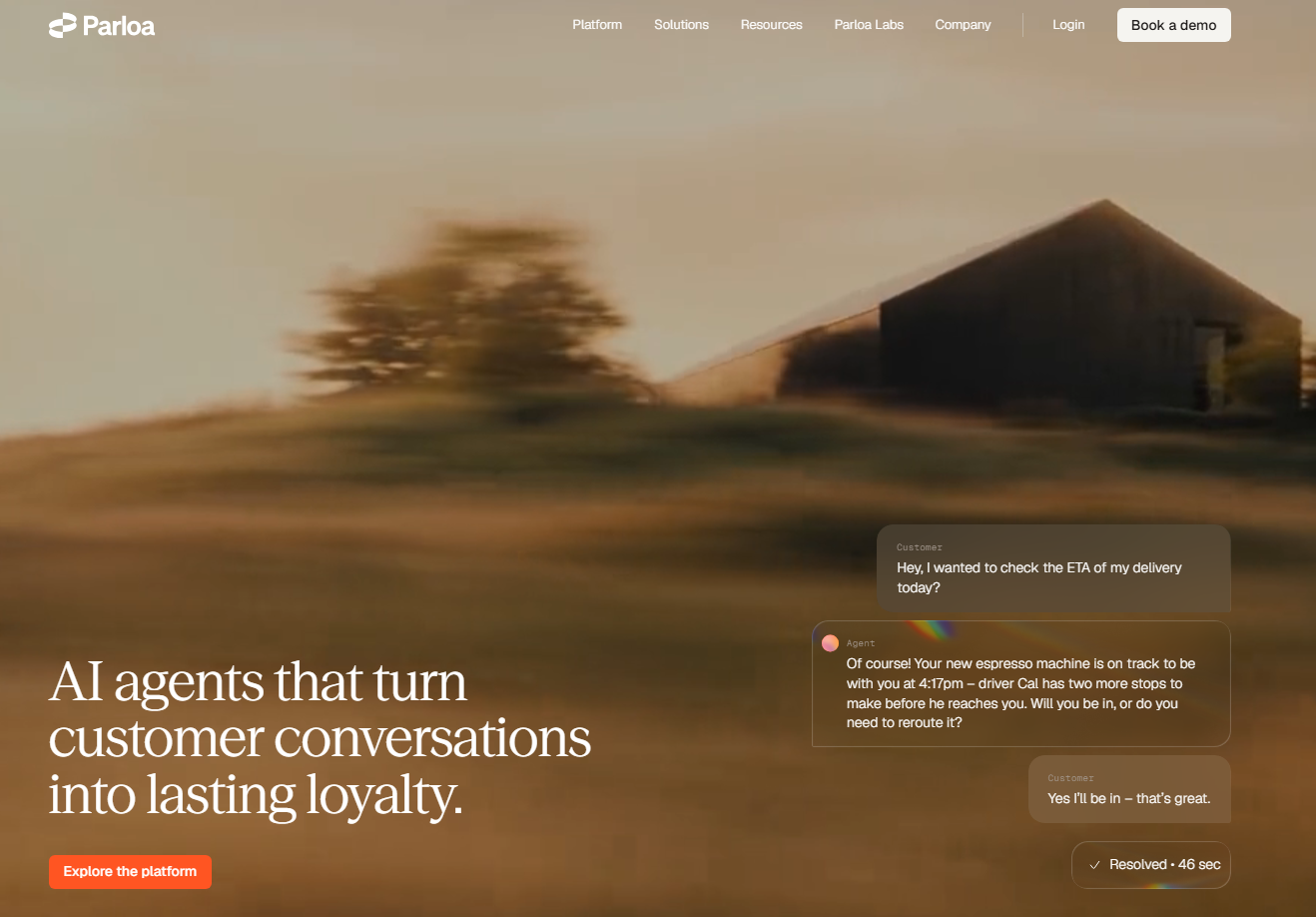
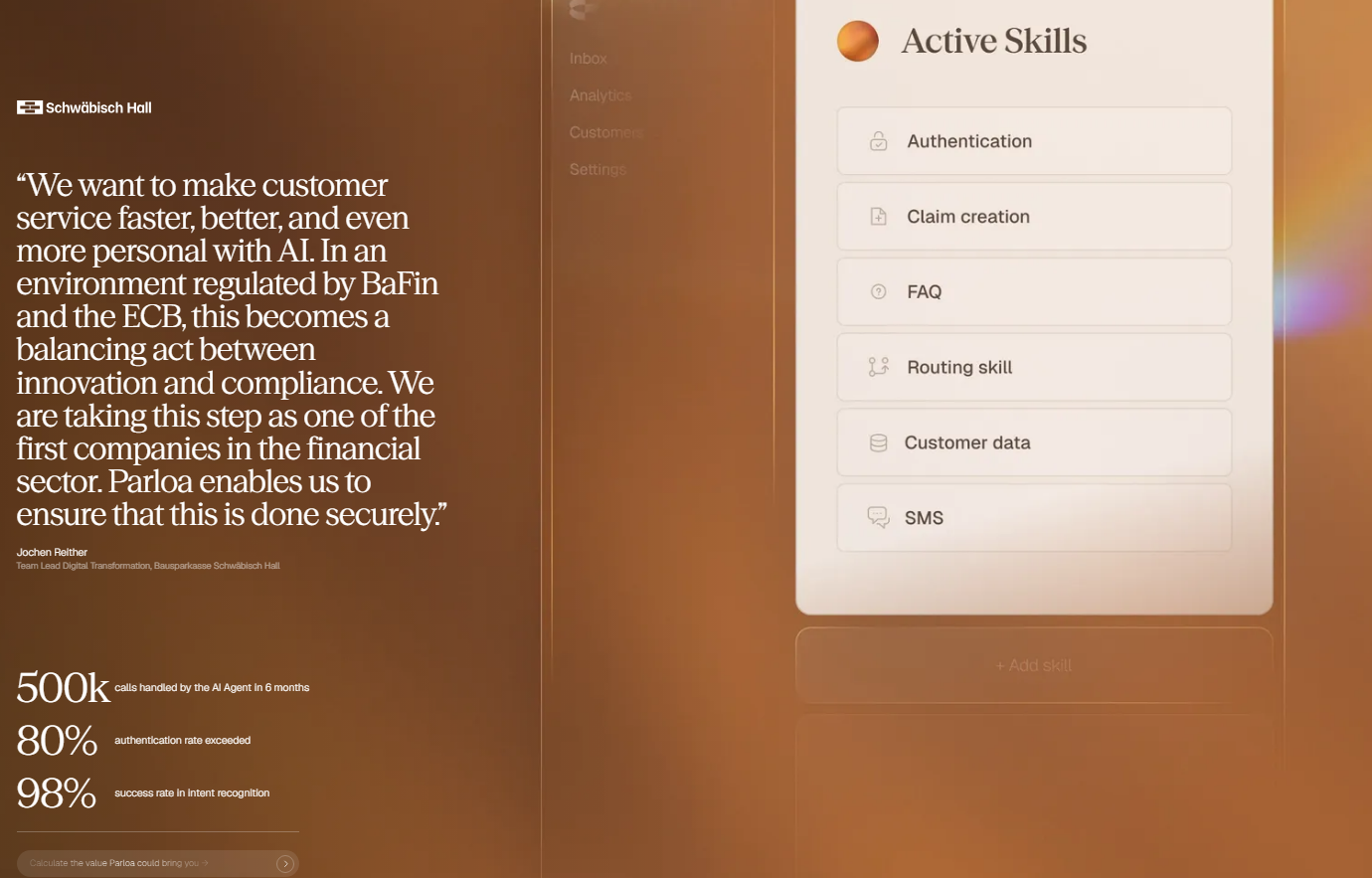
Parloa: finally, a strong industry page
After going through AI recommendations in the search results, it seemed like nobody was offering anything but superficial details about compliance with industry regulations. But Parloa industry pages deliver. So do the case studies.
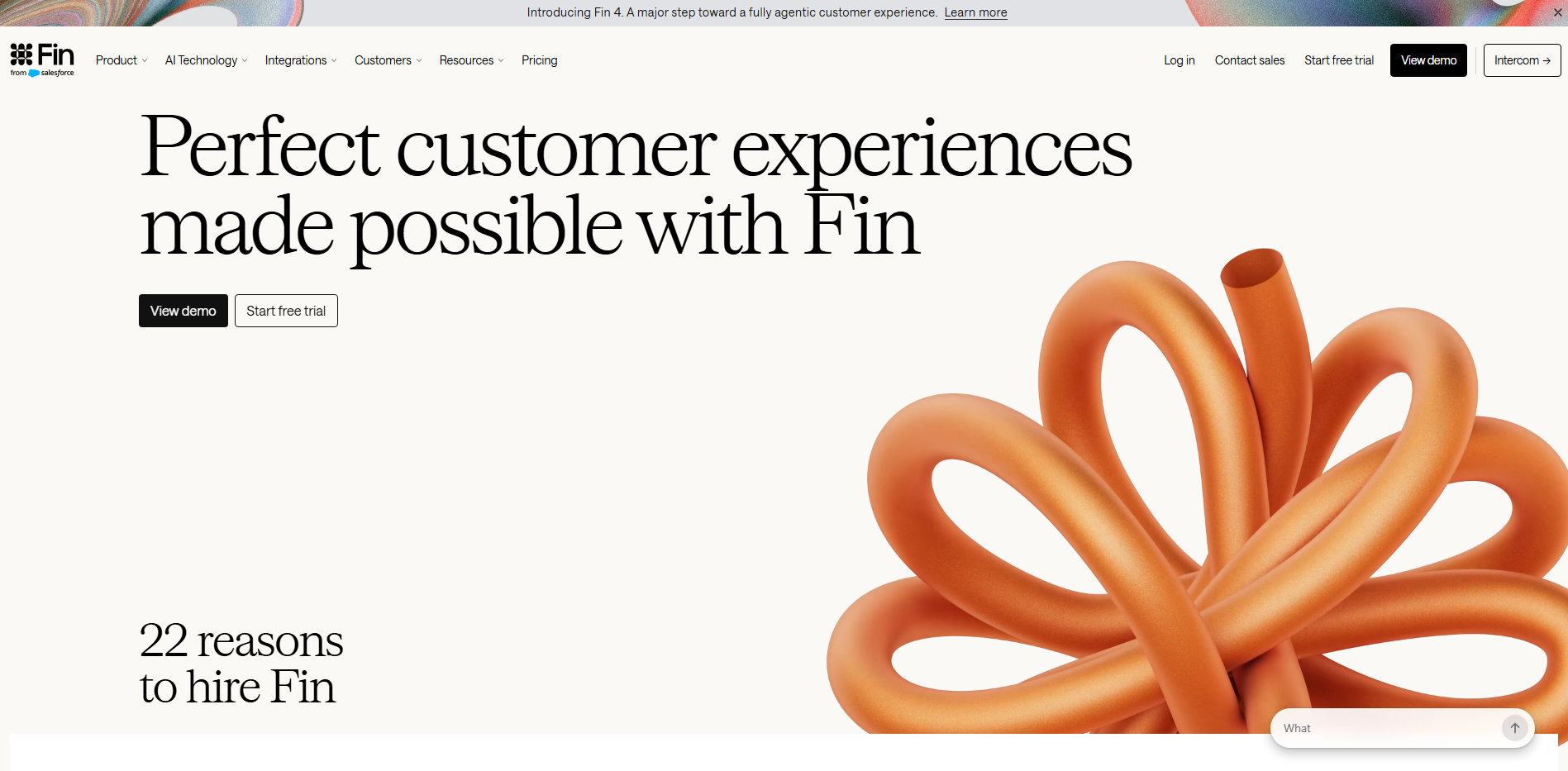
Fin: technically, overlaps
Practically, it took a lot of clicking around to get that far, so I’m wondering how much overlap there really would be between Acclaim’s and Fin’s target audiences.
(That’s something I’d make sure to ask the sales team.)
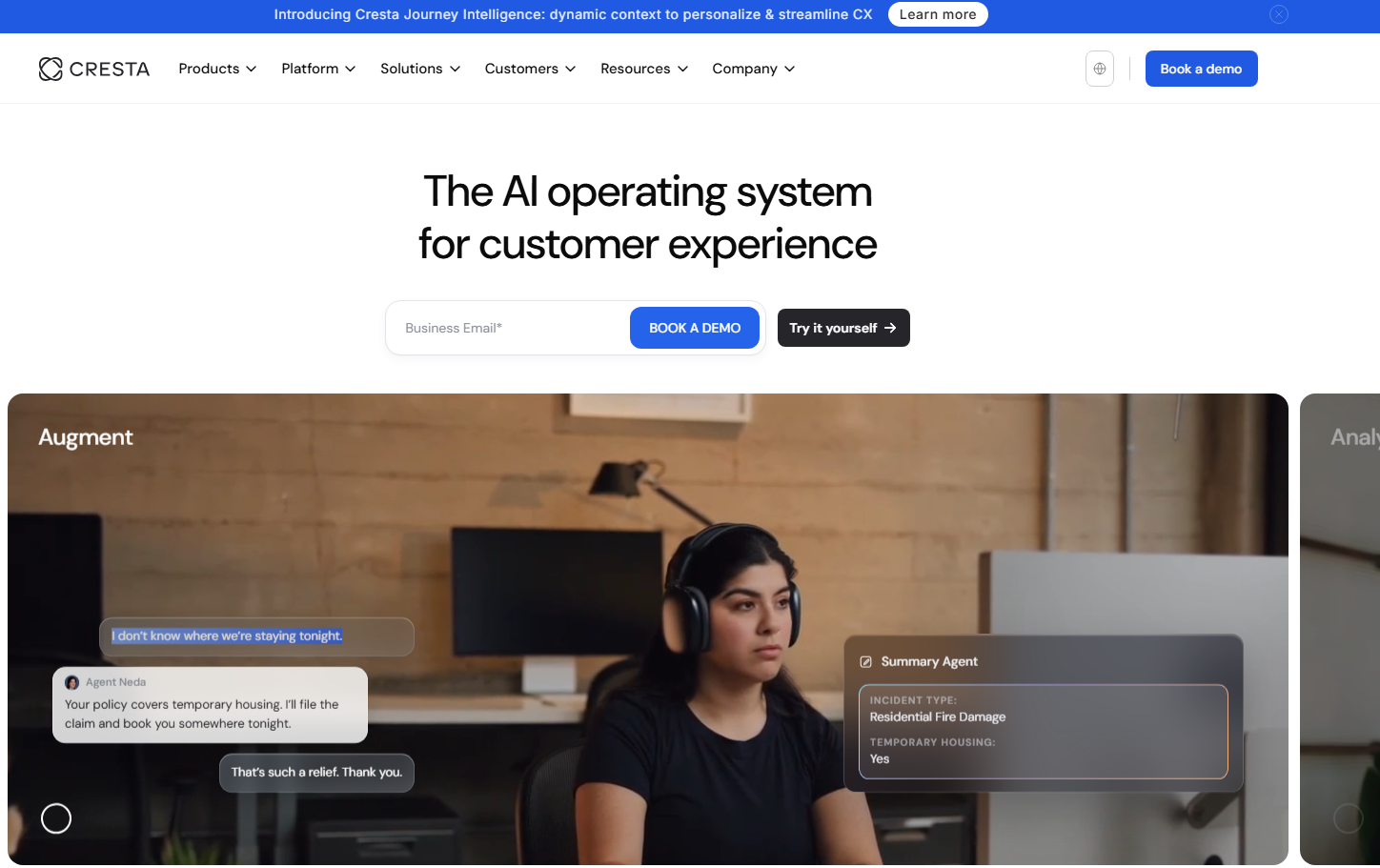
Cresta: (much) more than voice agents, dedicated AI transparency page
The dedicated page outlining the platform design principles is likely too vague to be useful for prospects from regulated industries beyond PII redaction and baseline standards, but might be a useful idea for Acclaim — to be determined…
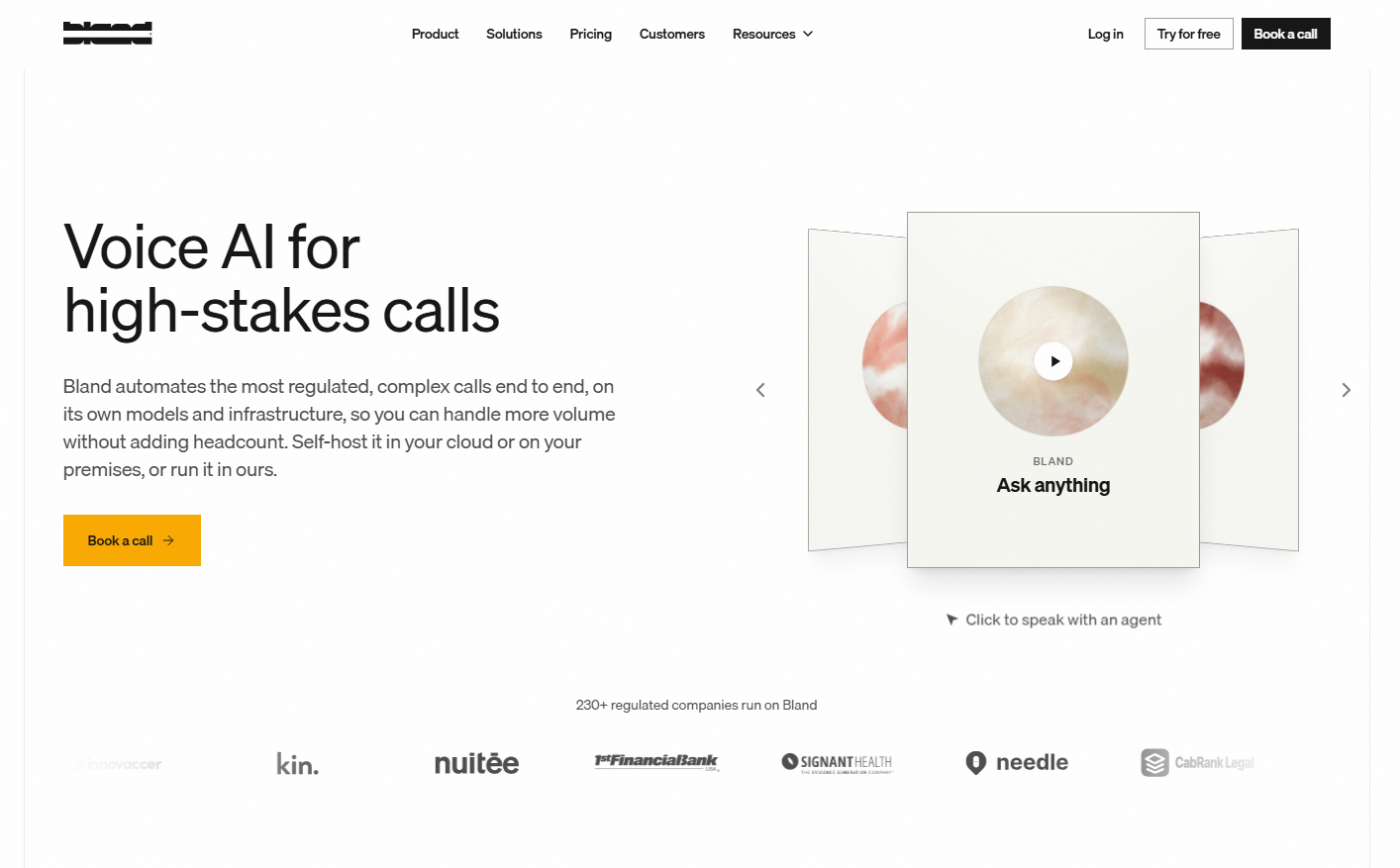
Bland: not making security teams guess (as opposed to everyone else)
Even though “high-stakes calls” seems somewhat confusing, this is probably my favorite website — strong PoV supported by “why it matters” and specific, detailed proof for claims around security and compliance with a dedicated trust center for the security team.
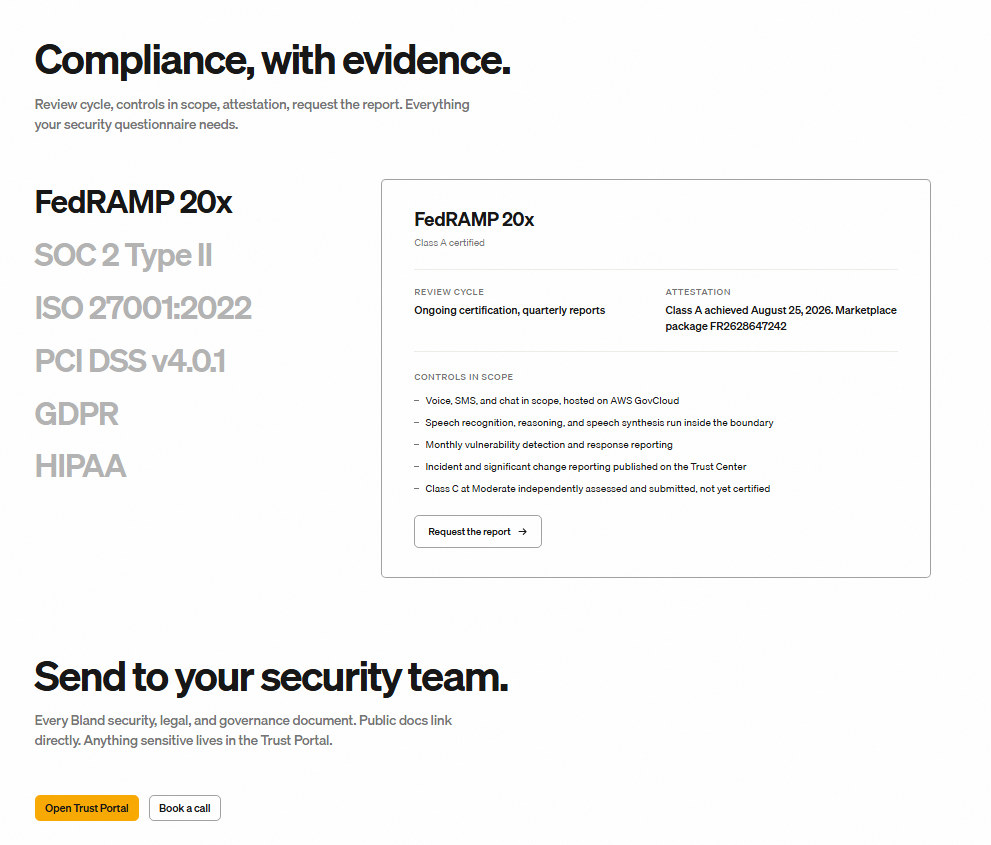
My favorite part, though, is the hero section CTA on this page: “Request customer references” (links to the demo signup page and doesn’t message-match there — ah well…).
What do reviews tell us about closest competitors (and Acclaim)?
Even if G2’s suggested alternatives tend to be mostly irrelevant, it’s still worth checking out reviews for Acclaim and its closest competitors (especially around pricing since a pricing page is on the list of possible opportunities):
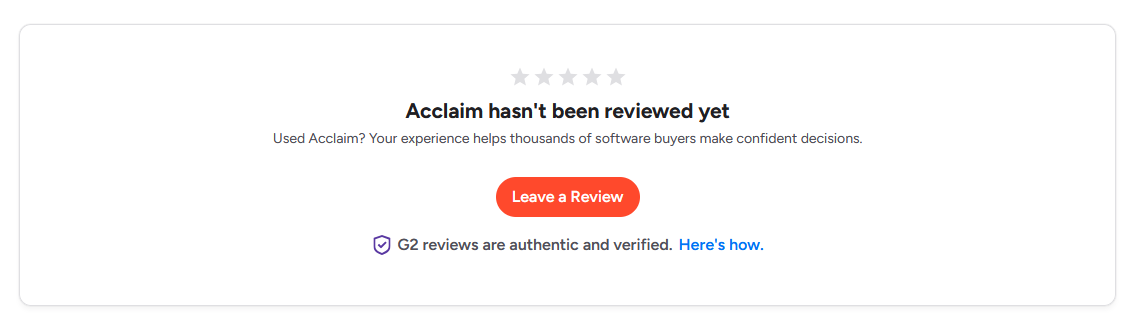
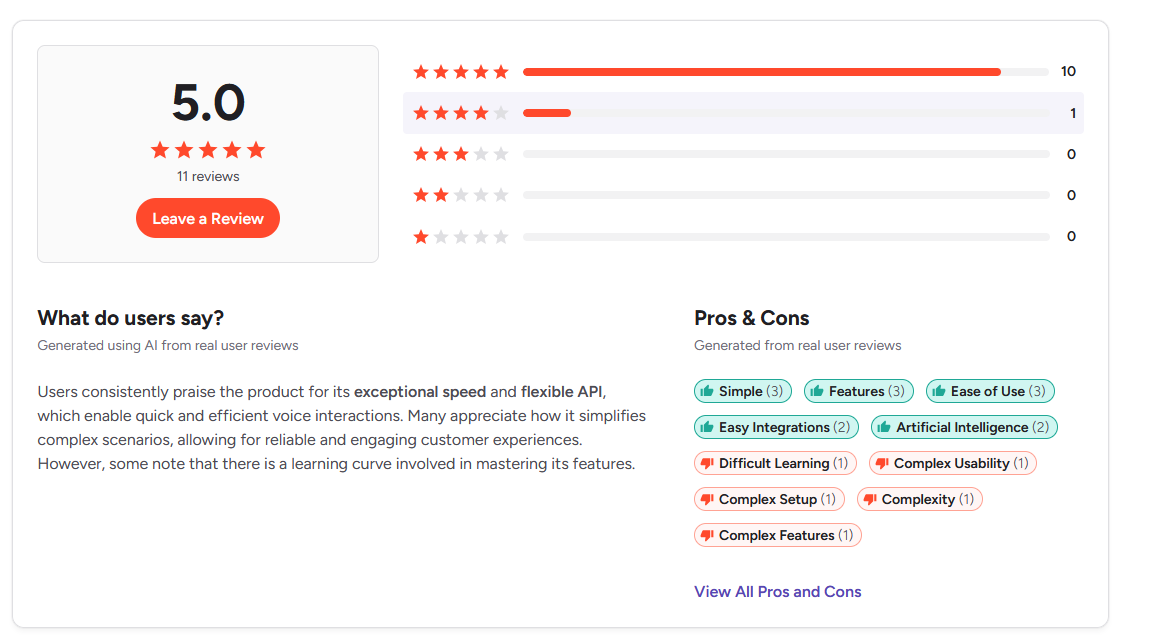
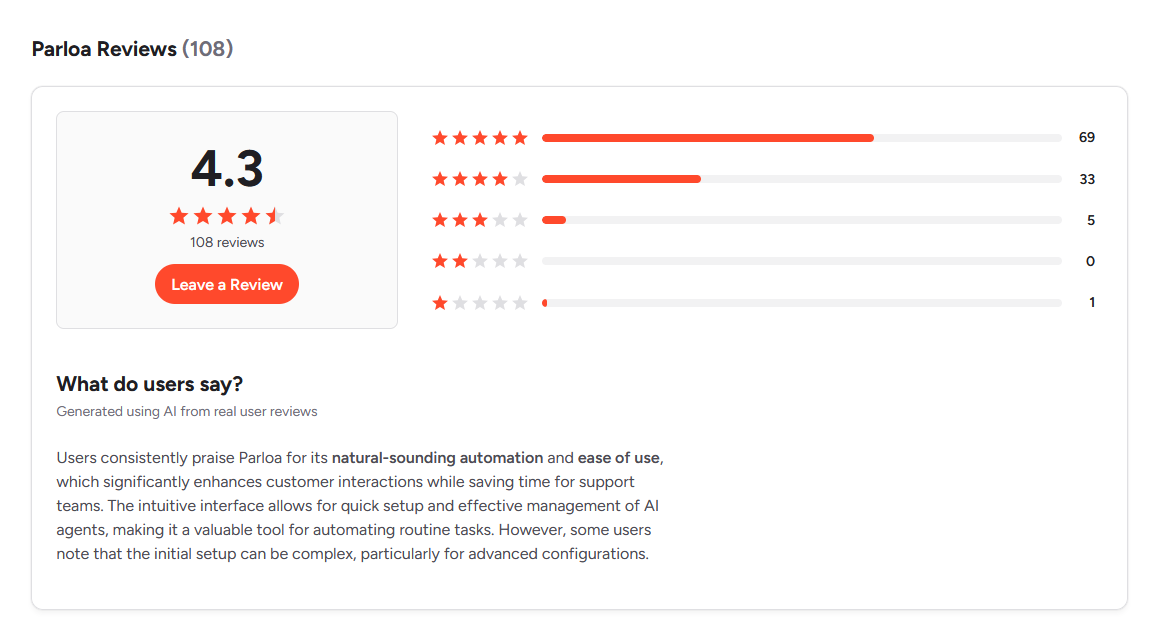
For the closest alternatives, Parloa leads with the most reviews, including related to pricing:
“High Cost & Gated Entry: There’s zero pricing transparency, no free trials, and contracts easily hit six figures annually. It’s strictly built for massive budgets. … Heavy Technical Dependency: Despite being billed as "low-code," setting up complex logic requires custom scripting and developer support—it’s definitely not a plug-and-play tool for business teams.”
Another interesting theme is expectations around capabilities for complex use cases. And, finally, the last one is deployment complexity.
All of these concerns could be relevant for “why us” argument for Acclaim if it’s easier to deploy, has a different way of handling complex use cases, and/or doesn’t have the same approach to pricing. Even without building a competitor comparison page, these “why us” themes could be used on web pages, case studies, and in testimonials.
Same goes for other competitors that are coming up in sales calls.
Building better questions: internal conversations
The review themes create additional potential lines of questioning for customer calls and conversations with the product team, in no particular order:
What can customers realistically expect Acclaim to deliver? Is there a gap between expectations and capabilities?
Are there specific use cases that prospects in regulated industries want/need to optimize first?
Are those difficult to implement?
When do prospects reach out — do they have a specific use case in mind?
What are the pricing expectations and is there a reason to not share them (even as a ballpark) on the website?
How much of a blocker are security teams — would it make sense to provide additional information on the website the way Bland does or at least add breakout blocks?
Reassessing the website messaging within competitive context
After finding Bland’s website, I feel less confident in Acclaim’s positioning which initially seemed really strong.
Without knowing which competitors actually come up in sales conversations, hard to tell how much of an issue this actually is — but a competitor deep dive would be one of the key conversations with the team.
Here’s the breakdown of opportunities I see for Acclaim across 5 levers for meaningful differentiation. They’re still pretty generic and in a real-world project would like get more specific during the research phase:
Clear(er) differentiation:
Explicit or implicit comparison against actual competitors — answering “why us” when compared to alternatives (direct or indirect competitors)
Alignment with search:
Connecting the homepage to the appropriate step in the buyer journey and search terms (operations vs communications)
Answering not just why us, but “why now,” especially given the concerns from The AI Confidence Gap report
Specific sub-pages:
Unless customer interviews prove that visitors need help with framing “why AI for [industry],” might want to skip the problem statement and focus on showing how the solution is relevant for the industry
Addressing hesitations and concerns around AI in regulated industries (and how Acclaim solves for them) — separate page with data security and certification info?
Strong proof:
Customer stories and testimonials throughout the pages connected to prospects’ objections and hesitations (also helps with “why now?”), and/or switch stories (“why us?”)
Brand voice and design:
Might be worth exploring, but not a priority beyond general brand voice guidelines
Visually distinctive — would prioritize product visuals and/or examples over other design elements
The next step in a project would be figuring out which companies go with Acclaim instead and why, ideally for every targeted industry, and redesigning the website for that audience.
Which requires internal conversations, interviews with customers and closed-losts, as well as potentially sharper positioning and alignment across teams on what makes Acclaim the right solution for their best customers.

I help sales-led B2B SaaS startups and scaleups optimize their web copy to pre-sell their best prospects on their product.